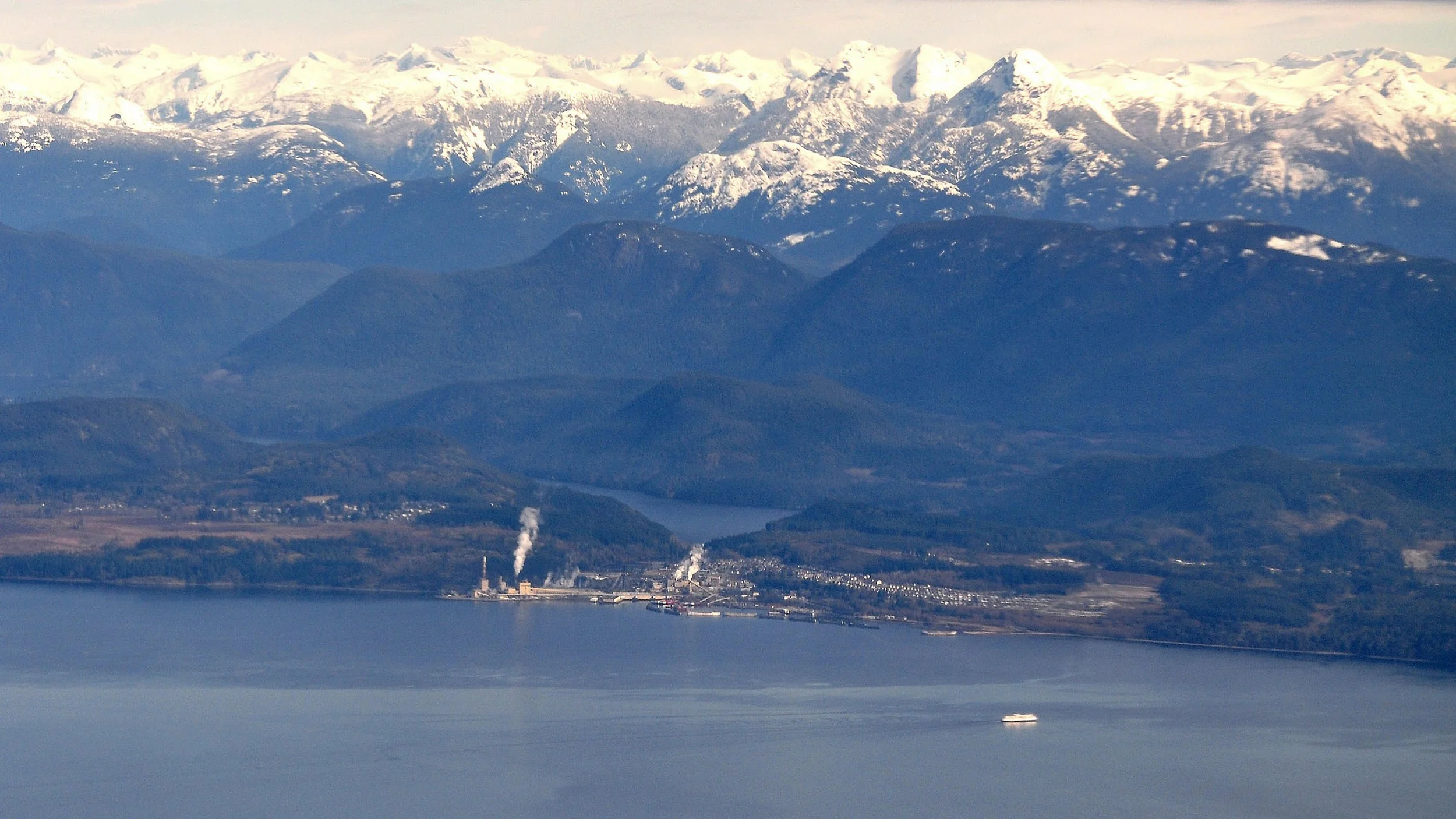
Powell River
Our Name is our Home
What is the meaning of Powell River?
Imagine how many times those two words have ever been thought or spoken. During every ferry ride, during classroom lessons, on the address of every letter, on plane tickets, at hockey games and dinner conversations. At every moment the meaning of those words has always meant one thing: Powell River is our home.
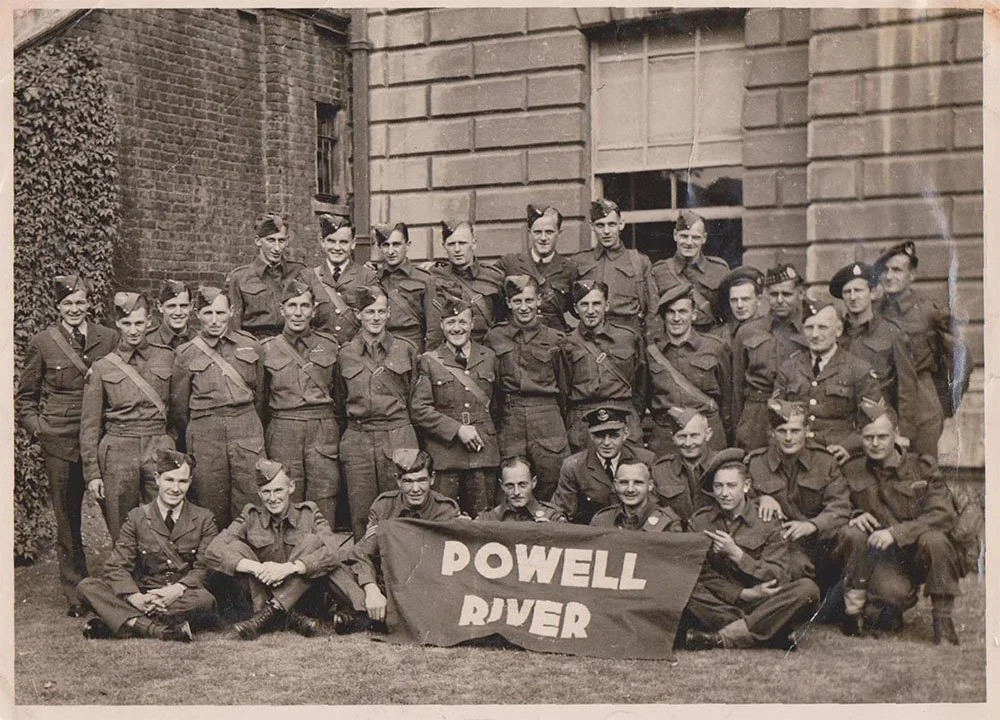
Powell River is the place that has shaped us, and where the chapters of our lives have unfolded. For many, it is where we were born, and where our parents and grandparents have lived. It is where we have grown up, worked, played, made friends, fallen in love, started families, and discovered who we are.
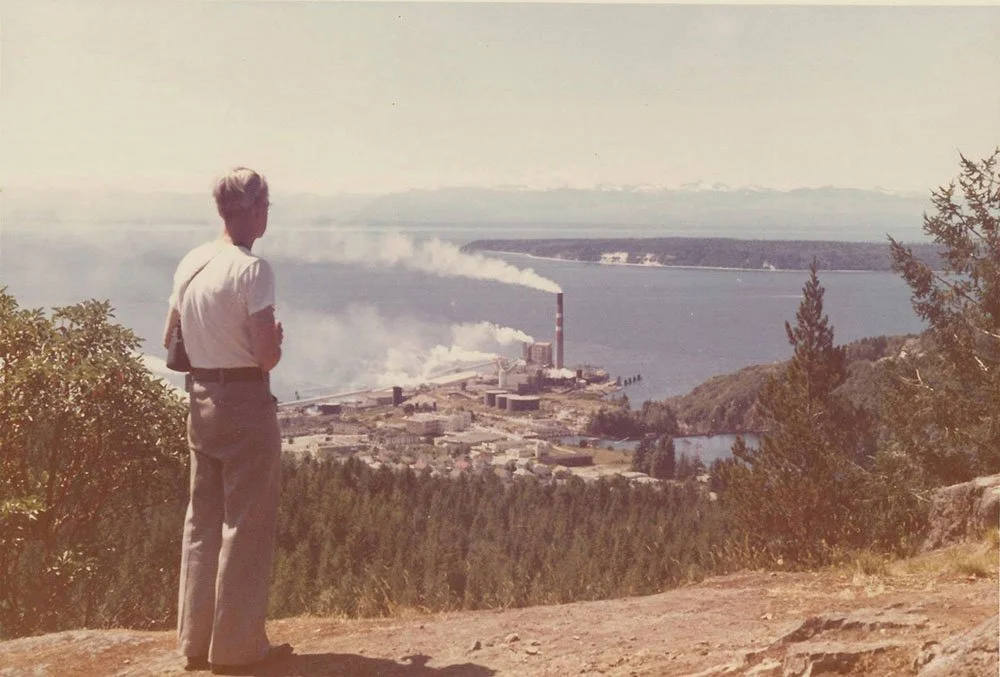
Powell River is more than just a name, it is the symbol through which we experience rootedness; the deep sense of belonging which every soul requires to be whole. Rootedness is what it means to be at home, to be of place, part of a community, and connected with the past and future.
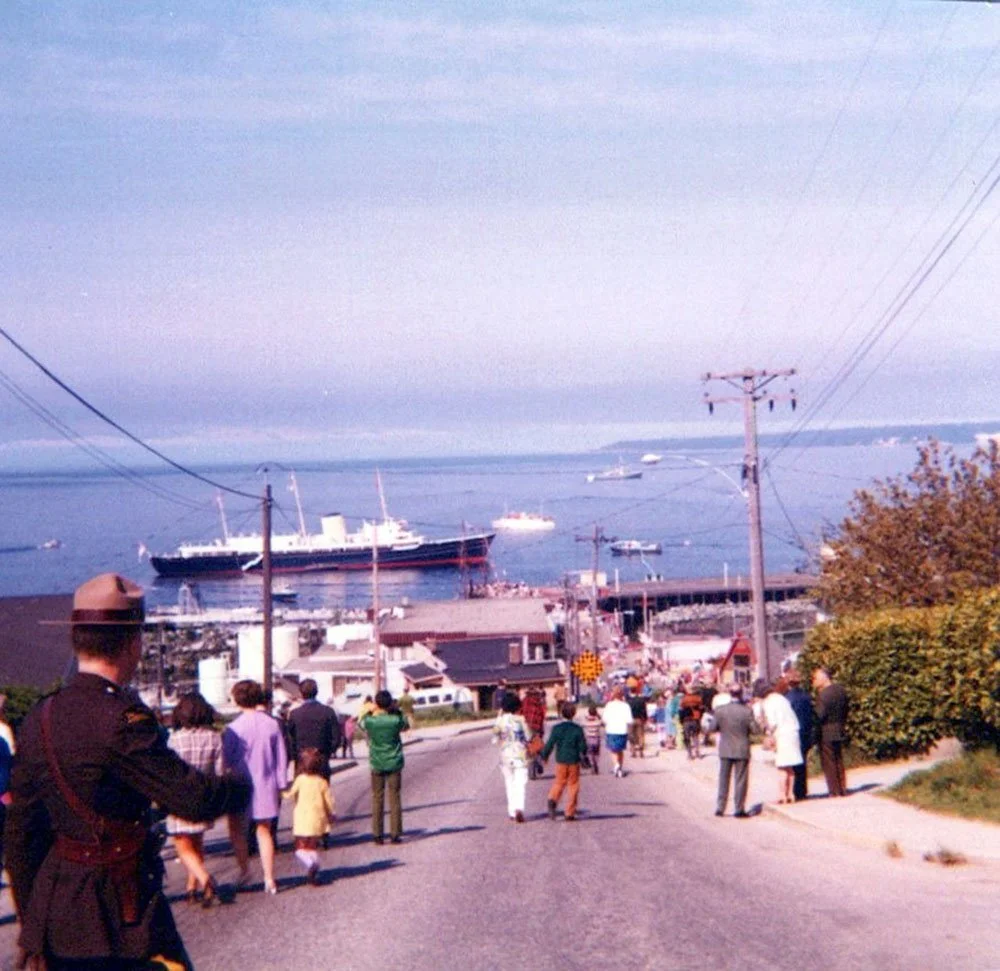
The people of Powell River are joined together by a common history, by our connections with each other built over generations, and by our love of our town. The name Powell River matters to us for the same reason that names matter to people everywhere. It is at the core of who we are, and is woven through all our memories of being at home.
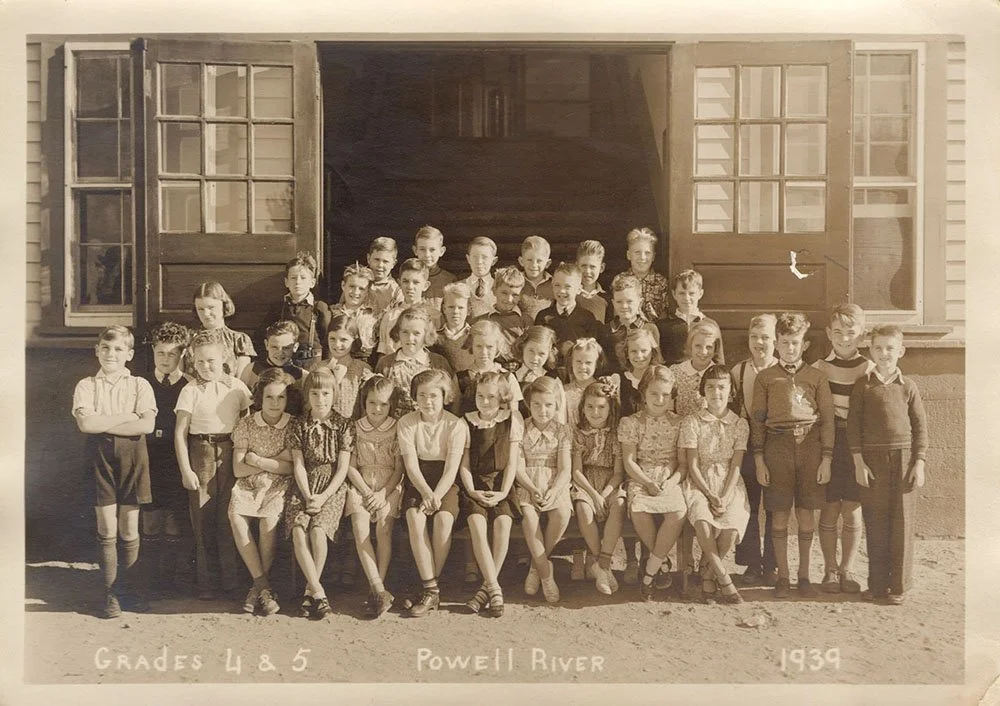
To take away our name is to take away our sense of belonging.
The attempts to change Powell River’s name have created a bitter debate that has made life worse for everyone. An acrimonious political dimension has entered our life, dividing our community and creating a painful atmosphere of tension. The root of this conflict is about two very different understandings of what the name Powell River represents.
To the Tla’amin Nation, the name Powell River represents dispossession because it honors Israel Wood Powell. As Superintendent of Indian Affairs, Israel Powell harmed the Tla’amin people, banning the Potlatch and refusing to address their concerns about land claims in their territory.
To the people of Powell River, our name represents our community, our past, our identity, and our sense of belonging. This meaning of the name stands on its own, it is a result of our history and is entirely independent of its associations with Israel Powell.
We cannot reconcile our differences by repeating the mistakes of the past.
The concept of changing the name began in a spirit good faith and cooperation; the name 'qathet’ given to the Regional District means working together. But the movement to change the name of the City has now become a bitter and intractable conflict which has only divided us further. The Tla’amin leadership now seeks to arbitrarily change Powell River’s name without a referendum, and many people of Powell River feel they are not being respected. What started as a discussion about the legacy of Israel Powell now feels like an attempt to erase our identity and history.
Tragically, both potential outcomes to this conflict will only generate deeper resentment: keeping Israel Powell as Powell River’s namesake would be a continued offense to the Tla’amin Nation, and changing Powell River’s name to would destroy our sense of belonging and our connection with our past.
It seems that these two interpretations are impossible to reconcile, however there is one unique solution that can resolve this conflict. A compromise that respects the Tla’amin people and the people of Powell River, and allows us to move forward in a spirit of respect, acceptance, and healing.
We propose that the City of Powell River officially remove Israel Powell as its namesake, and rename our town after the cartographer Edward James Powell.
To reconcile means to find a way in which two situations or beliefs that are opposed to each other can agree and exist together. This is the compromise solution that will reconcile two otherwise incompatible desires:
For the Tla’amin nation to remove Israel Powell from his place as the namesake of Powell River.
For the people of Powell River to keep the foundation of our identity and our connection with our past, which is independent of any association with Israel Powell.
This compromise removes the name’s attribution to Israel Powell, while keeping the name of Powell River itself. It also creates a new meaning by weaving important threads of history into our story.
Who is Edward Powell, and why should Powell River be renamed after him?
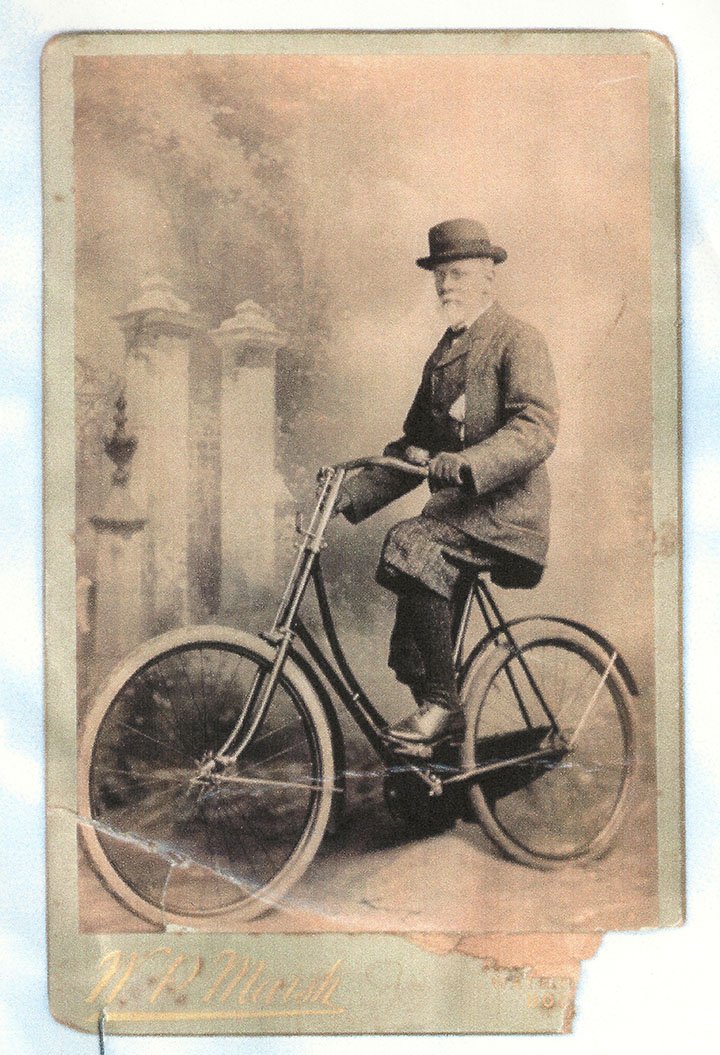
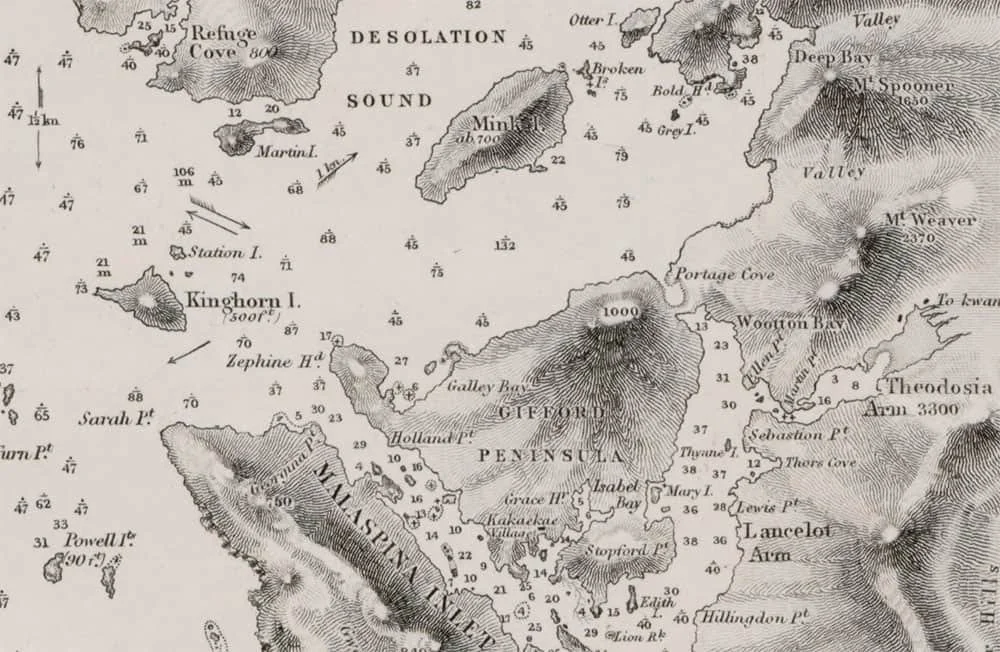
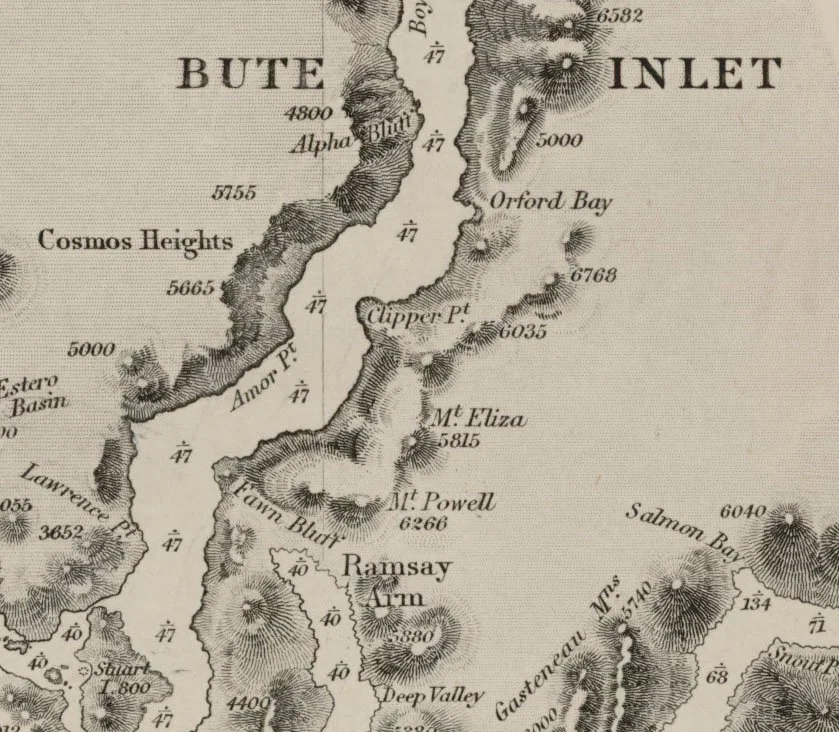
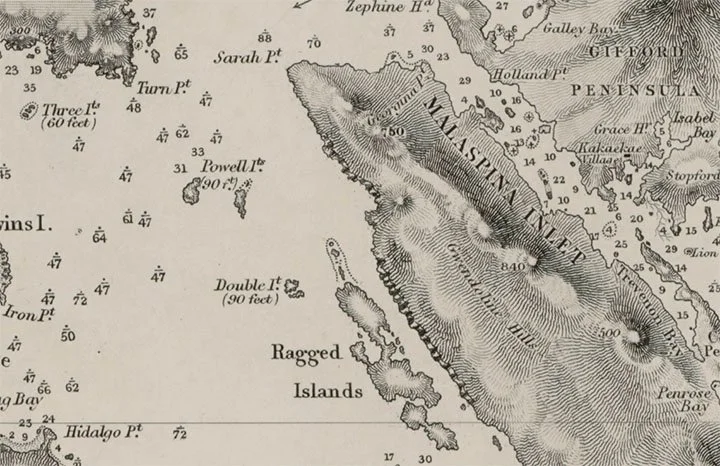
Edward James Powell by W.P. Marsh, 1890s.Edward Powell was cartographer and an artist, and he has been connected to our region for more than 160 years. He is responsible for creating the first detailed charts of qathet and Powell River in the 1860s, meticulously drawing the coasts, islands, shores and mountains of our area. Two landmarks near Powell River were named after him during this time; Mount Powell in Bute Inlet, and the Powell Islets near Lund. His connection to our region predates that of Israel Powell by more than two decades, and his contributions are positive rather than harmful. His maps are beautiful works of art in their own right, and were used by sailors to make safe voyages across B.C. for over forty years.
Edward Powell worked as a draughtsman for the UK Hydrographic Office, drawing official Admiralty Charts from the findings of local surveyors. He worked closely with Captain George Henry Richards and Daniel Pender, who made detailed surveys of the coast of British Columbia in the 1860s. As Richards and Pender explored the coast on board the HMS Hecate, they sent detailed logs and draft charts to Edward Powell at the Hydrographic Office, and he used them to create dozens of precise and comprehensive charts of coasts of Vancouver Island and British Columbia.
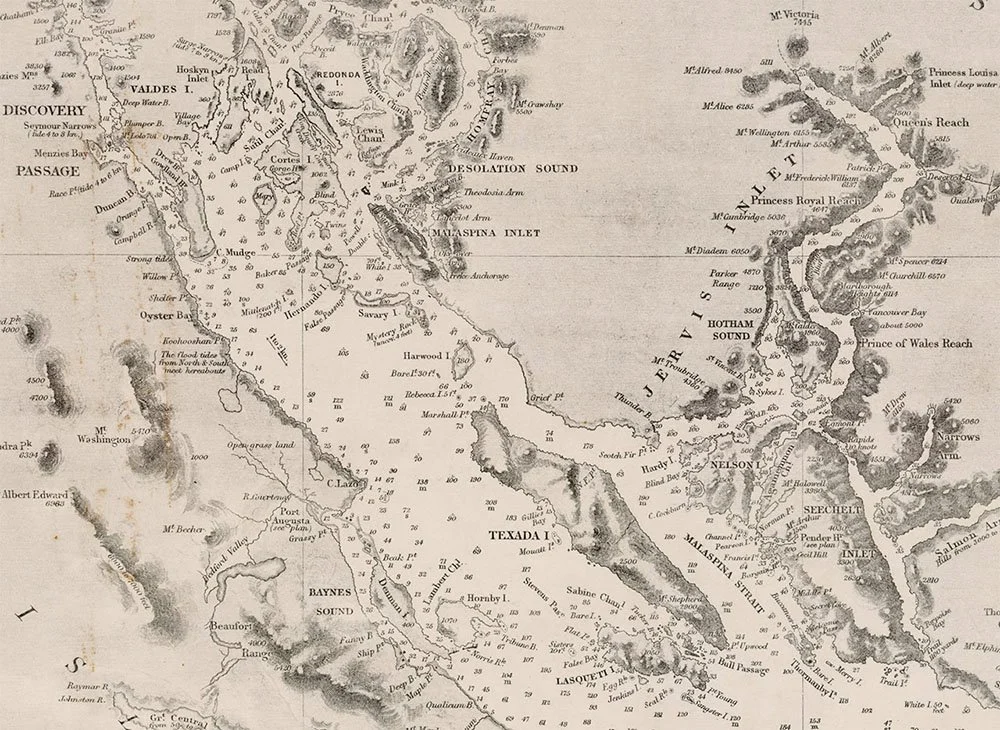
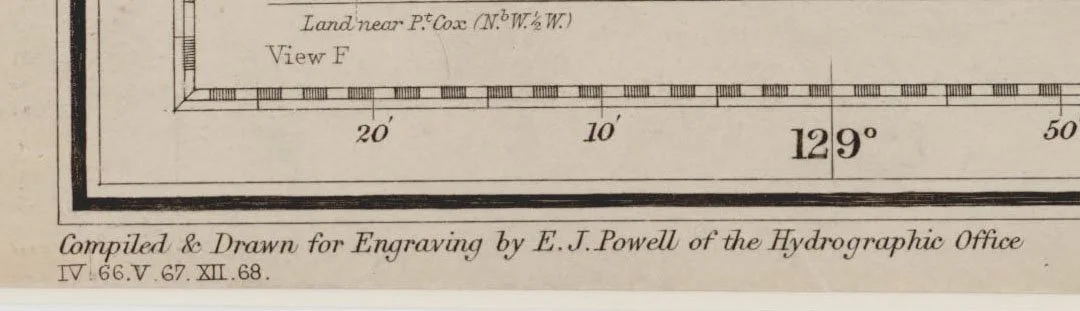
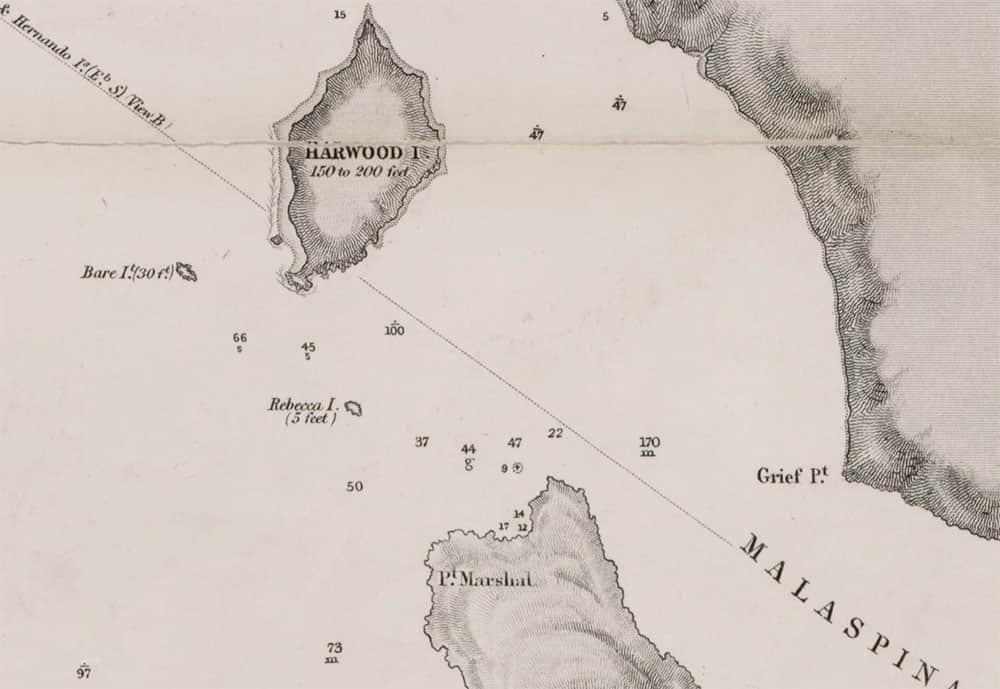
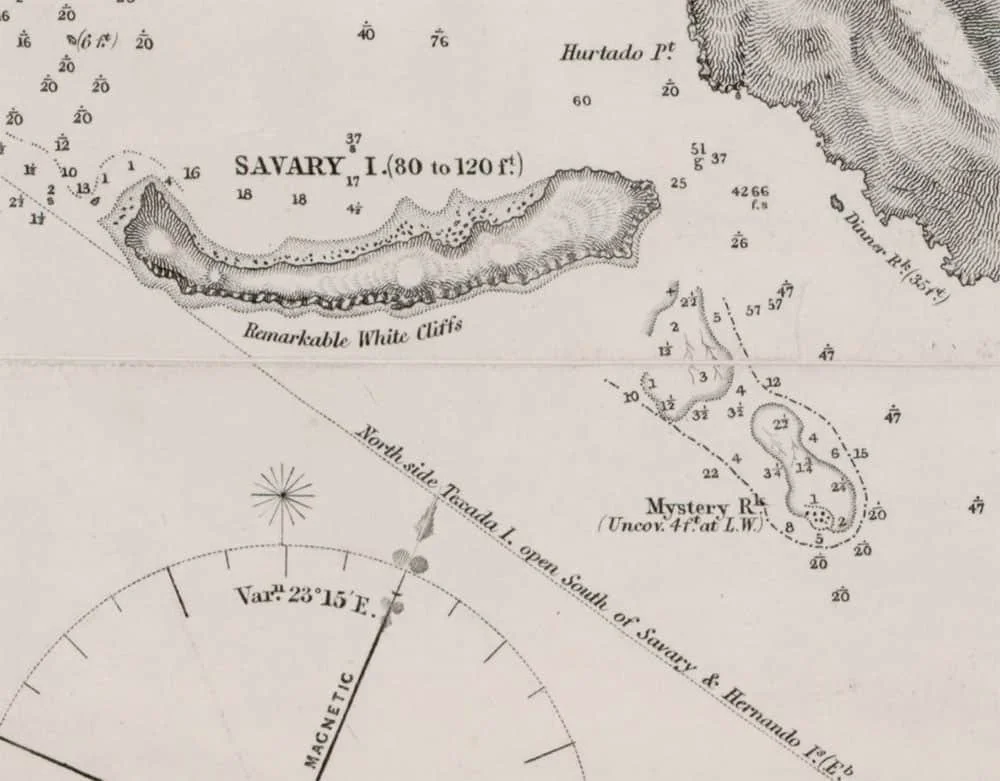
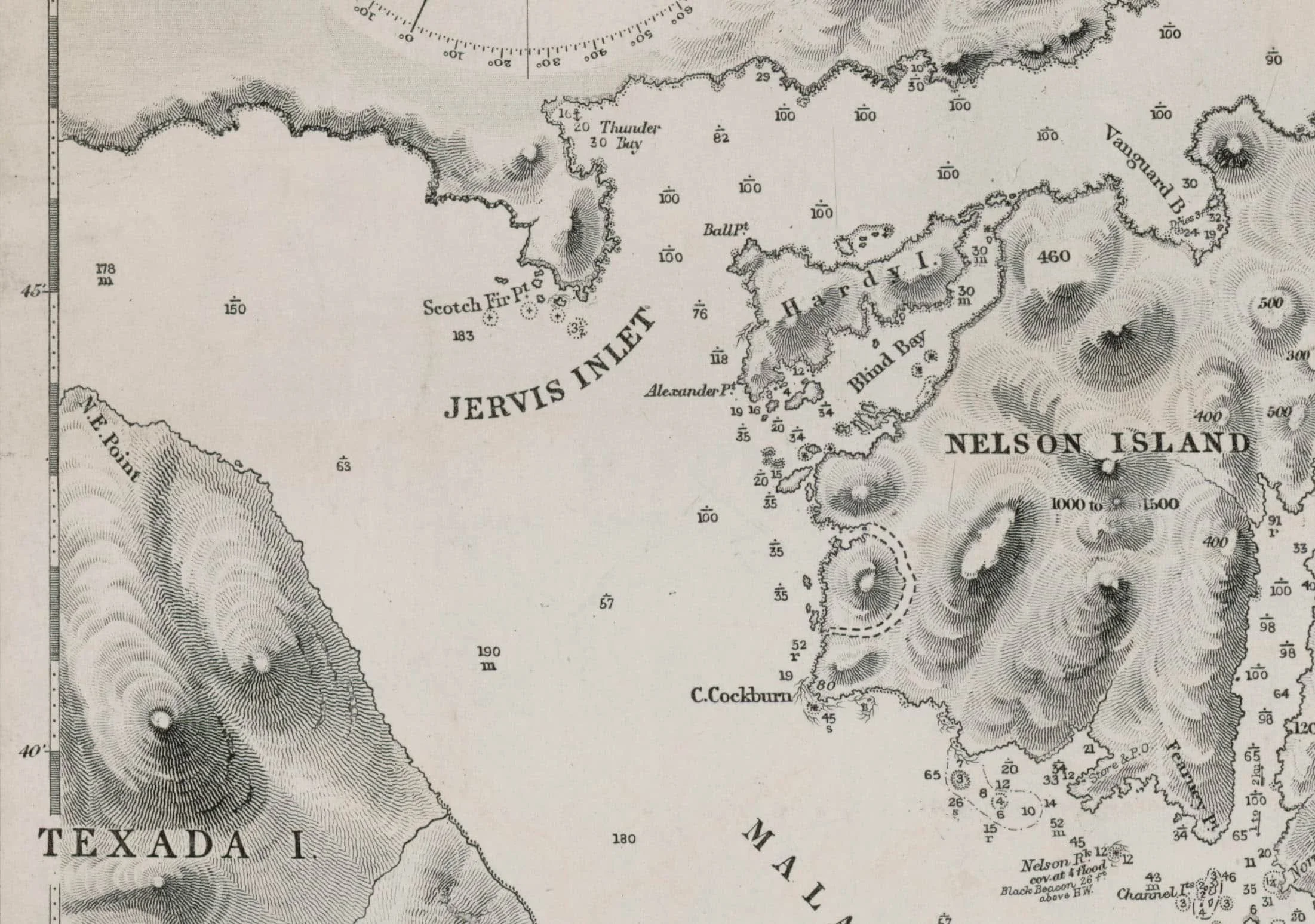
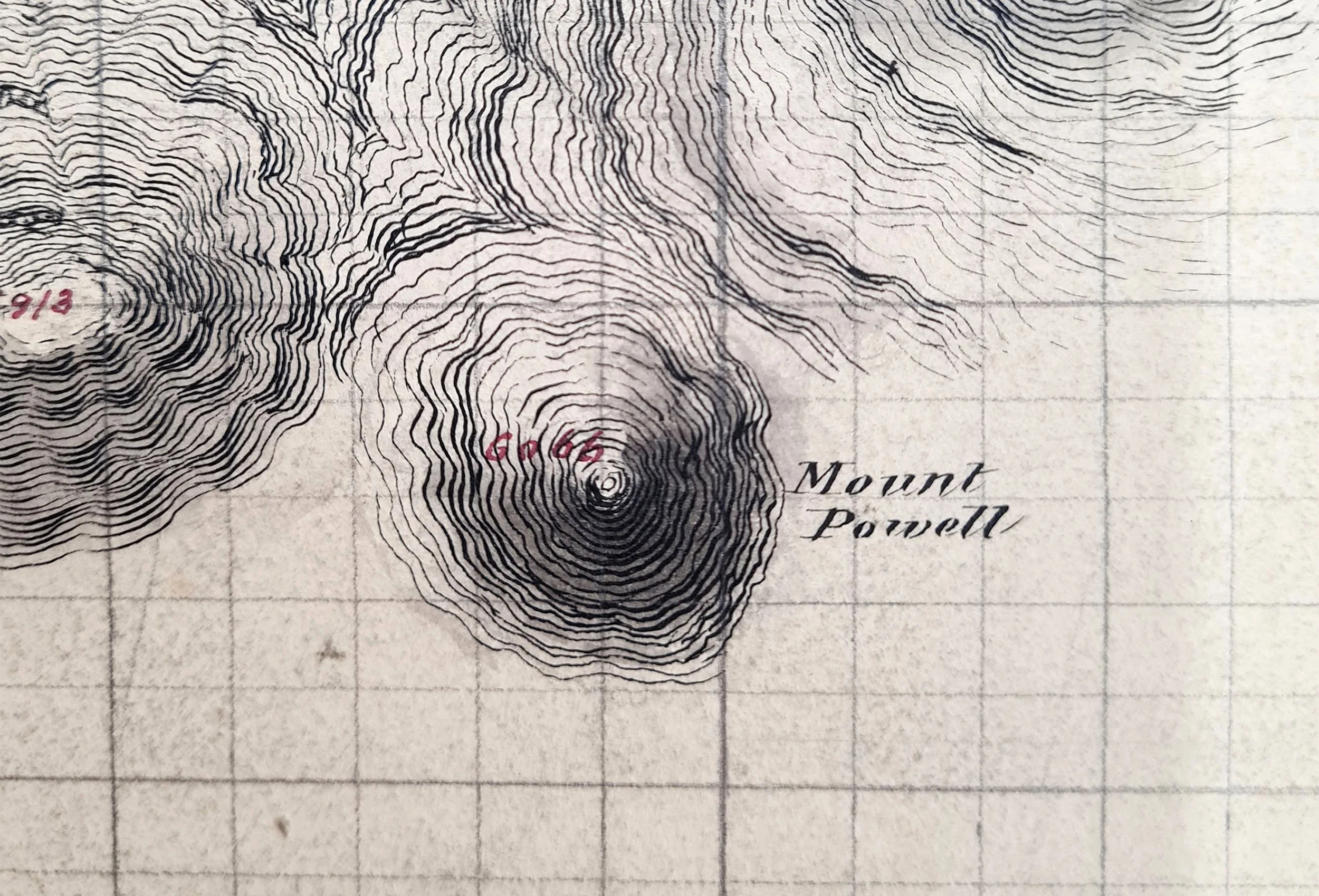
During his 1862 survey of Bute Inlet, Captain Richards honored Edward Powell by naming Mount Powell after him, with the adjacent Mt. Eliza named after his first wife. Powell’s name appears on the first draft of this chart, which was drawn on board the HMS Hecate while the survey was underway.
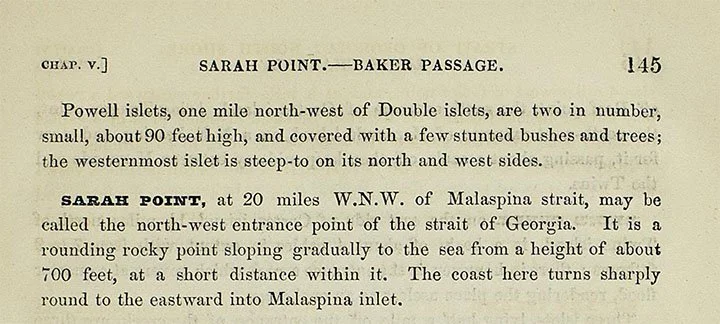
Commander Daniel Pender, who succeeded Richards in December 1862, surveyed Desolation sound and Malaspina Strait in the autumn of 1863. During this time he named the Powell Islets, North of Lund, after Edward Powell. The first instance of the Powell Islets is named in the ‘Vancouver Island Pilot’, drawn from the observations of Richards and Pender, and published by the Hydrographic Office in 1864.
Richards left British Columbia to become director of the Hydrographic Office, arriving in 1864. In 1865 Edward Powell was promoted to Chief Draughtsman and reported to him directly.
The circumstances of history provide us with a unique opportunity to end this conflict and heal the divide in our community.
To complete this proposal, the Powell River City Council should take the following actions:
Pass a motion to remove Israel Powell as its namesake, and to make Edward Powell the namesake of Powell River.
Conduct a ceremony with the Tla’amin nation to mark the removal of Israel Powell as Powell River’s namesake.
Write a letter to the Minister of Municipal Affairs requesting the change be formalized by the Province.
Make a formal request to the BC Geographical Names Office to attribute the names of Powell River and Powell Lake to Edward Powell.
Renaming Powell River after Edward Powell may seem to some to be an unusual solution, but it is exactly what we need to resolve this bitter dispute, heal the divide in our community, and move forward in a spirit of friendship.
How can you help?
If you think that this proposal is the right path forward for Powell River, here’s how you can help:
Read our research on Edward Powell, his charts, and his connections to Powell River.
Tell your friends and family about the compromise solution for Powell River’s name.
Share this website to help people learn about Edward Powell and our proposal.
Contact City Council so that they hear about this idea. We would like this proposal to be presented to the Name Change working group.
Consider this proposal when casting your vote in the October 17th Municipal Elections for City Council.
Be respectful in political discussions. We want to put an end to bitterness, conflict, and division, and we need to be positive to find compromise.